
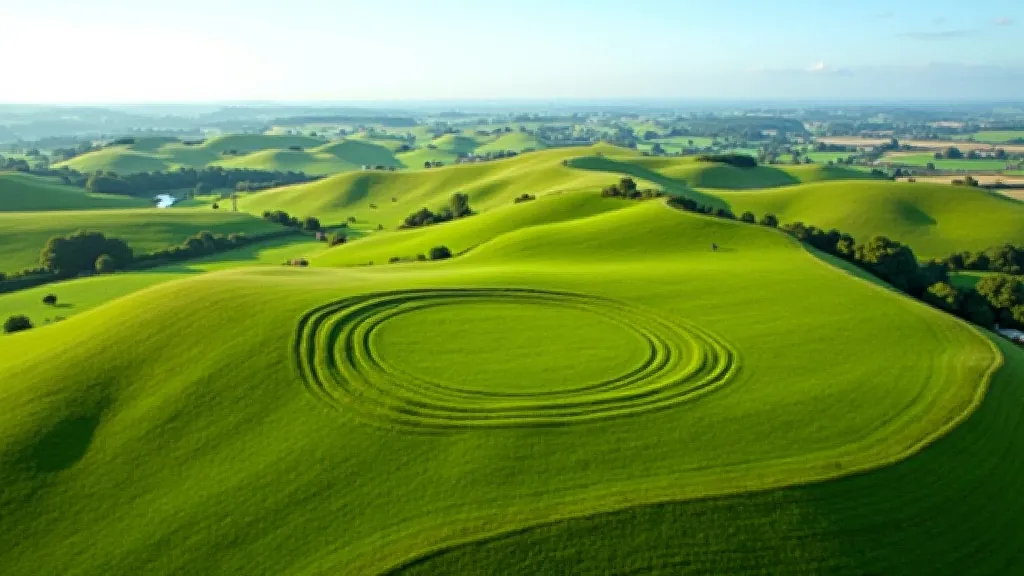
Understanding the Royal Enclosure at Hill of Tara
Learn what makes this 5,000-year-old site so significant. We break down the main features and what you're actually looking at when you're standing on top.
Read More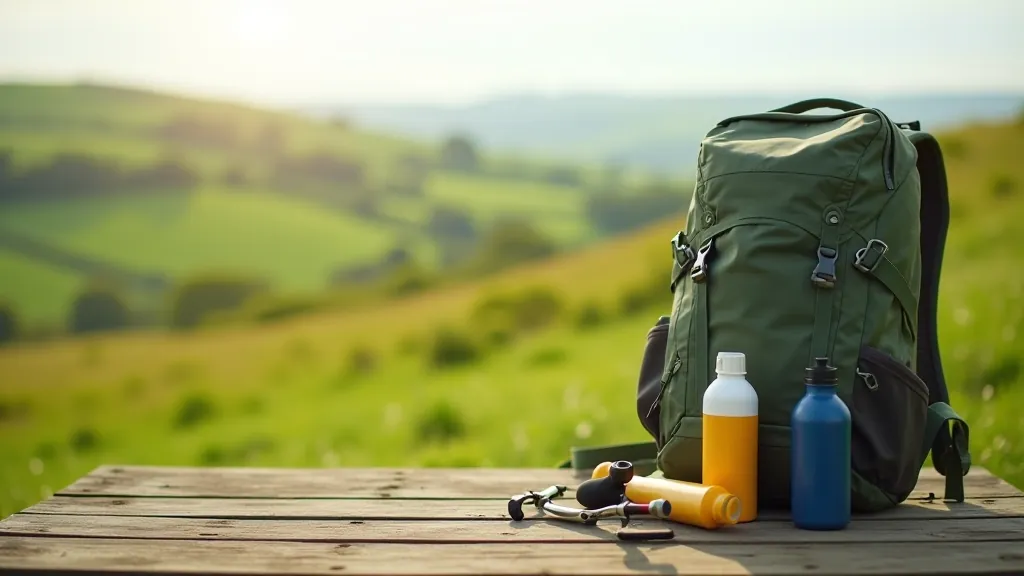
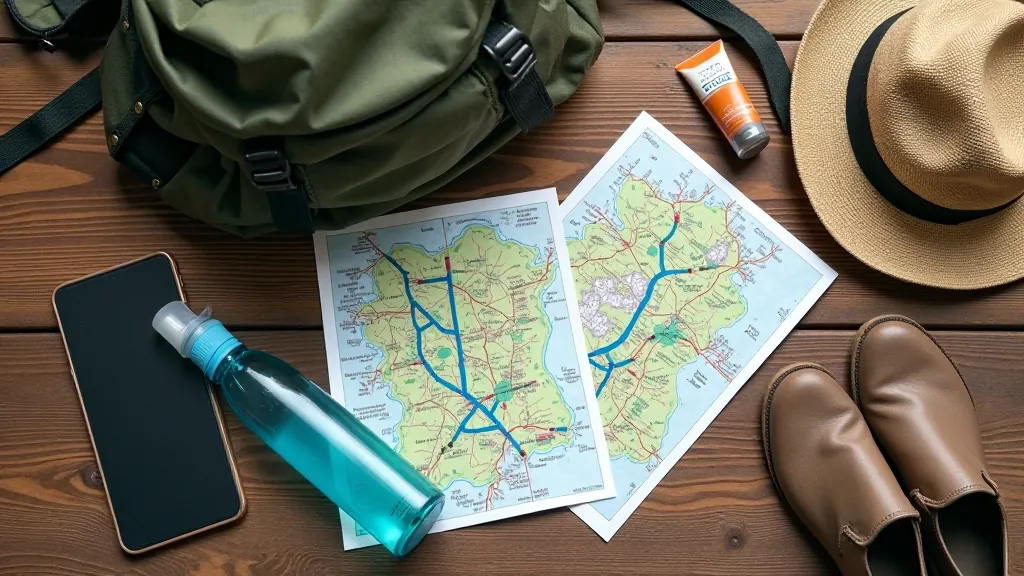
Forget heavy gear. We're talking sunscreen, good socks, water, and one thing you probably didn't think of — that actually makes a difference.

The Hill of Tara isn't a challenging climb. But it's also not a stroll around your garden. You're looking at roughly 90 minutes to two hours on your feet, moving across uneven ground with elevation changes. The right gear makes all the difference between a day you'll remember fondly and one where you're uncomfortable halfway through.
We've walked hundreds of visitors through this site — and we've noticed patterns in who enjoys it most. It's rarely the people with the fanciest equipment. It's the ones who brought what actually matters. So here's what that looks like.
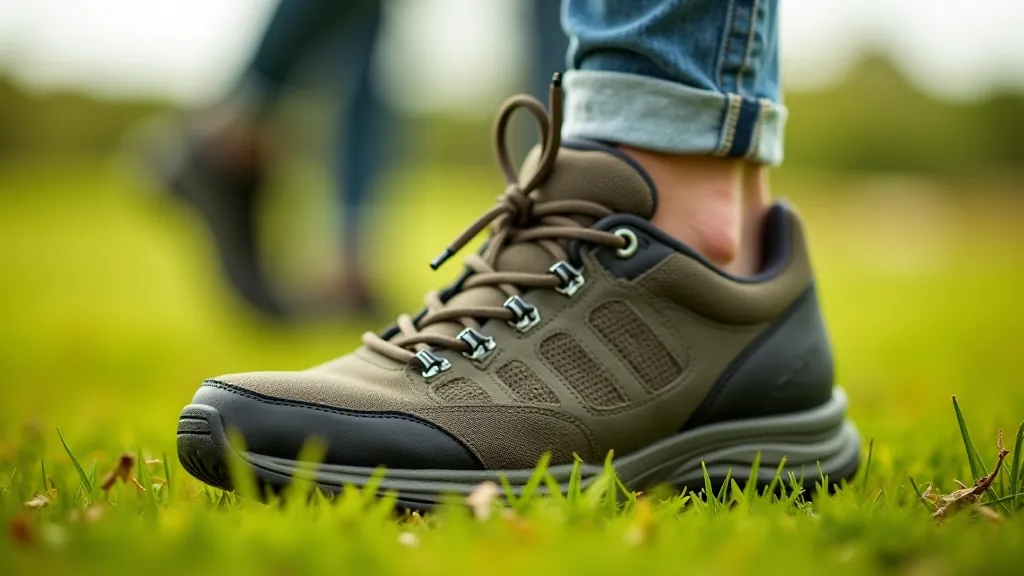
This is the one thing you shouldn't compromise on. The paths here aren't paved. You're walking on grass, loose gravel, and earth that can shift underfoot. Sneakers that feel fine for city walking often don't cut it.
Pair them with proper hiking or moisture-wicking socks. Cotton socks get damp and bunch up. You'll feel the difference by kilometer two.
You're exposed up here. There's minimal shade across the entire site — just open landscape with big sky. That sounds romantic. It also means you're absorbing UV rays and losing fluids faster than you realize.
Bring at least 1.5 liters of water. Not a small bottle. People consistently underestimate this. By the second hour, you'll want that reserve.
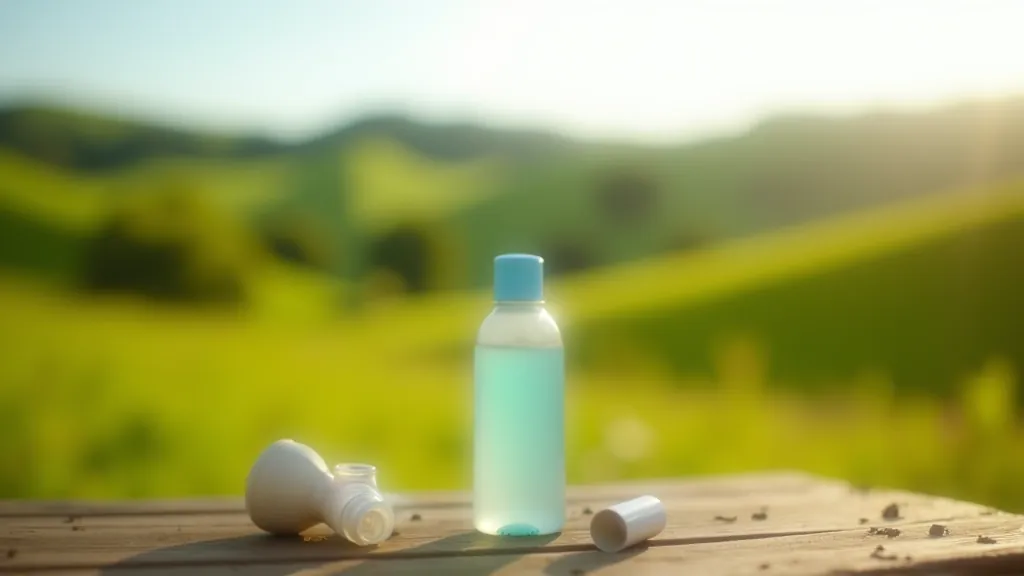
Sunscreen is the thing most visitors forget. And it's the one you absolutely shouldn't. A decent SPF 30 minimum, applied 15 minutes before you start. Don't skimp on the amount — most people use about half what they should.
A wide-brimmed hat isn't just for style. It actually protects your face and neck for two solid hours. Baseball caps don't cover enough area.
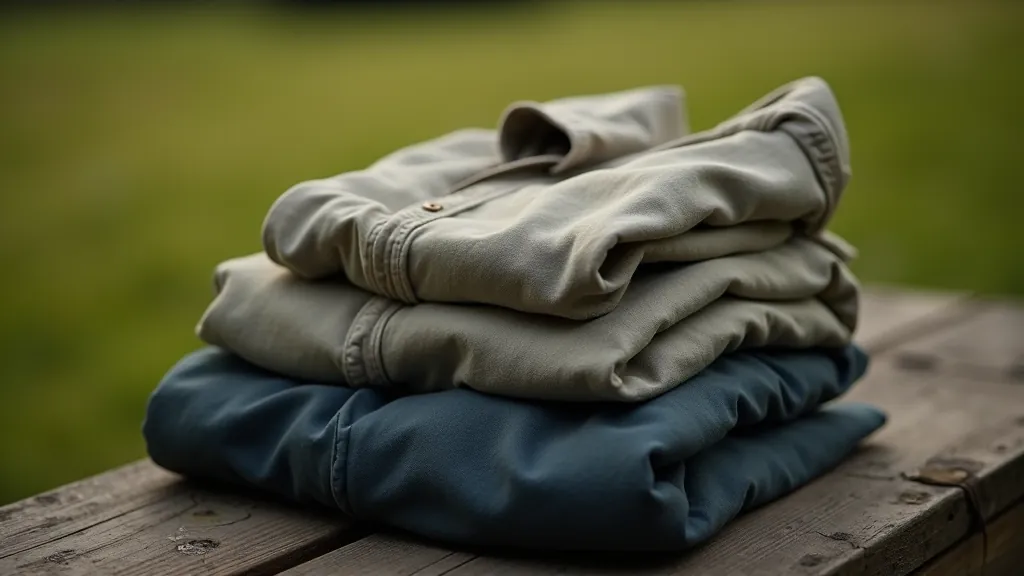
Weather up here changes. You can start warm and sunny, then get wind and cloud cover 45 minutes in. Rather than stuffing a heavy coat in your pack, bring layers you can add or remove.
Start with a breathable base layer. Add a lightweight fleece or long-sleeve shirt. Top it with a windproof outer layer that packs down small. This setup takes up half the space of one heavy jacket and gives you way more flexibility.
Long trousers or leggings are better than shorts. Not because of temperature — because of the terrain. Longer coverage protects your legs if you brush against rough vegetation or lose your footing on a steep section.
The guidance in this article is educational and based on common visitor experience at the Hill of Tara. Every person's fitness level, health conditions, and comfort preferences differ. Always assess your own capabilities honestly. If you have mobility concerns, existing health conditions, or haven't walked this distance recently, consider starting with one of the shorter routes or consulting with a healthcare provider before your visit. Weather conditions change rapidly on exposed hillside terrain — check the forecast and be prepared to adjust your plans accordingly.
None of this is complicated. You don't need specialized hiking gear or expensive equipment. You need comfortable shoes that work on uneven ground. You need water. You need sun protection. You need layers so you can adjust to whatever the weather does. And you need socks that won't leave you with blisters by hour two.
Pack these things and you'll spend your time actually enjoying the view and the history. You won't be focused on sore feet or wishing you'd brought more water. That's the difference between a visit you remember because it was beautiful, and one you remember because you were uncomfortable.